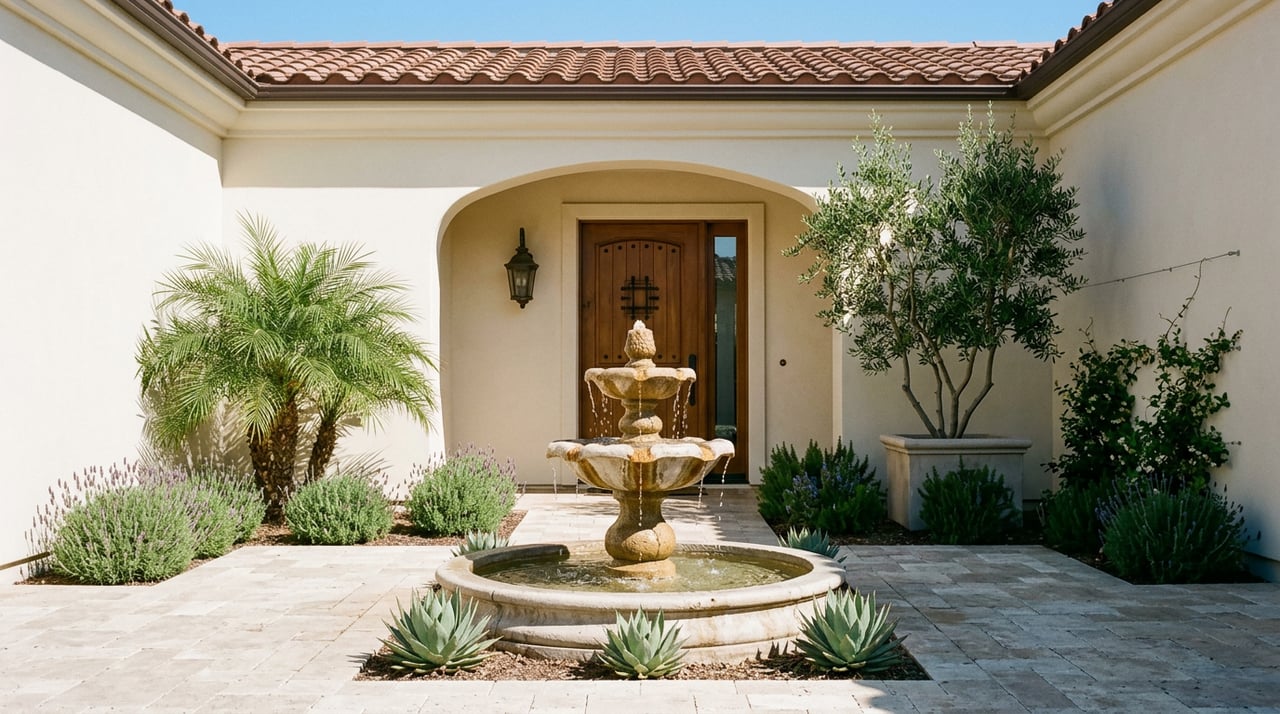
You love Temecula’s rolling vines and tasting rooms, but you don’t want the daily upkeep of acreage or the cost and logistics that come with it. You’re not alone. Many buyers choose neighborhoods that sit just outside the vineyard roads to enjoy the wine country lifestyle with suburban ease. In this guide, you’ll see where to look, what trade-offs to expect, and how to compare costs and services so you can move with confidence. Let’s dive in.
Why live near, not in, wine country
Temecula Wine Country generally refers to the Temecula Valley American Viticultural Area and the cluster of wineries along Rancho California and De Portola roads. You get an easy weekend escape to award-winning tasting rooms, live music, and events without managing vines or rural systems. For context on the area and wineries, explore the regional overview on the Temecula Valley Winegrowers site at Temecula Wines.
Living “near but not in” wine country usually means a suburban community with municipal services, sidewalks, and an HOA. You still reach the tasting rooms fast, but your home sits on a traditional lot in a planned neighborhood. That setup helps you control costs, reduce maintenance, and tap into built-in amenities like pools, clubhouses, and trails.
How close is the lifestyle?
Most of the neighborhoods below are within about 10–25 minutes of popular tasting rooms, depending on traffic, the exact community, and which winery you choose. Use the Temecula winery map to check your favorite stops and plan your routes.
Weekend tourism can slow traffic near Rancho California Road and Old Town during busy seasons and festival weekends. If you expect regular winery visits, try your route at peak times. Local transportation and tour pages note high-demand periods and options for designated drivers. See tips on routes and tour services via the winegrowers’ tours and transportation page.
Neighborhoods that deliver the vibe
Morgan Hill
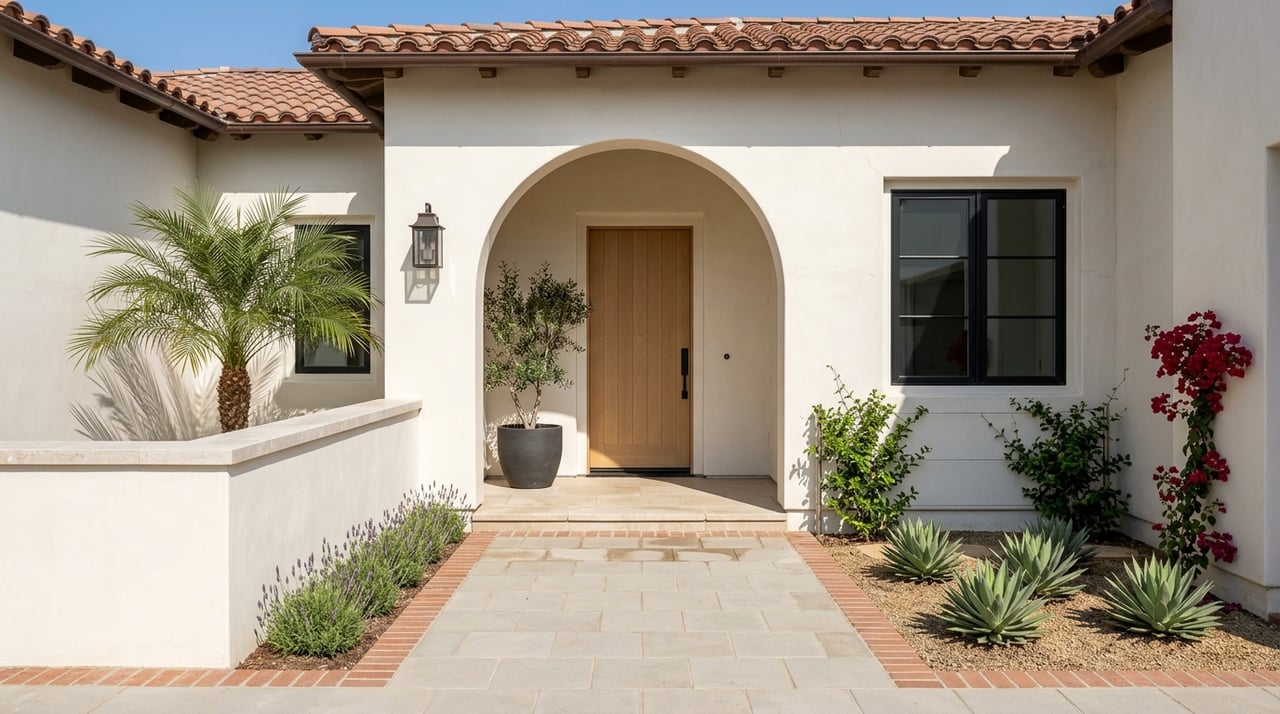
Morgan Hill sits at a gateway to the vineyards and is known for hillside views and Mediterranean or Spanish-Mission styling. Most homes were built in the 2000s, and many include patios or pools with valley outlooks. The master-planned clubhouse typically offers a pool, spa, fitness spaces, and event rooms.
Buyers often see HOA dues listed around the low hundreds per month in this area, with an example you might see around $109. Always confirm the current fee and any special assessments during escrow. Nearby schools frequently referenced in listings include Tony Tobin Elementary, Vail Ranch Middle, and Great Oak High. School boundaries can change, so verify assignment by address with the district. The district calendar and contacts are available through TVUSD.
Lifestyle summary: You get a quick hop to Old Town and the main winery corridors, views from select lots, and a resort-style clubhouse without managing rural systems.
Wolf Creek
Wolf Creek is a large master-planned community with multiple builder phases and about 1,800 homes. It features a clubhouse, pools, fitness center, parks, and trails under a master HOA with sub-associations. You can learn more on the Wolf Creek community site.
Because Wolf Creek includes a master association and various sub-neighborhoods, dues vary by parcel. Examples in listings often range from about $50 to over $120 per month depending on the amenities in that sub-association. Always check both the master and the sub-association fees, the CC&Rs, and any recent or pending special assessments before you write an offer.
Lifestyle summary: This is a suburban-resort feel with easy access to Great Oak High and nearby elementary and middle schools, plus fast routes to tasting rooms and golf. Families appreciate the trail network and active community amenities.
Redhawk
Redhawk centers around the public Redhawk Golf Course, with several sub-neighborhoods and some gated enclaves woven around fairways. Homes range from late 1990s to 2000s builds, and select lots enjoy course or valley views. Explore the course and local landmark at the Redhawk Golf Course site.
HOA dues vary widely across Redhawk because of the many sub-associations. You might see very modest fees in some tracts and higher dues in gated or fairway-front areas. Redhawk’s location also places you close to Pechanga Resort & Casino, restaurants, and shopping. For context on the local resort, visit the Pechanga overview.
Lifestyle summary: If golf-side living, quick access to I‑15, and a mix of tract and custom pockets appeal to you, Redhawk offers a wide range of options within minutes of wineries.
Costs and services vs. living on acreage
As of February 2026, citywide snapshots show Temecula’s median sale price around $693,000, while neighborhood values in Morgan Hill and golf-course or gated Redhawk pockets often trend higher. Pricing shifts by lot size, elevation, views, and floor plan, so rely on recent, hyperlocal MLS comps when you are ready to write an offer.
Utility differences are a major divider between suburban and vineyard life. Most planned Temecula neighborhoods connect to public water and public sewer, typically through Rancho California Water District or regional systems. For background on water and infrastructure in the area, see RCWD’s public documents such as the archived rate and planning file.
In wine country, many properties have used septic and wells historically. Sewer expansion is underway in parts of the area to address growth and older systems, which can impact costs and future planning. You can read a recent overview of expansion efforts in the region at this news brief on wine country and EMWD partnerships.
Acreage with vines also adds unique, ongoing expenses that do not apply to a typical suburban lot. Examples include irrigation and water allocations for vines, frost and pest management, specialized equipment, and agricultural insurance. When you compare a standard HOA bill to the full scope of vineyard operations, most buyers find the suburban route simpler and more predictable.
Everyday life: what to expect
- HOA amenities. Community pools, clubhouses, fitness rooms, and parks are common in Wolf Creek and Morgan Hill, and selected pockets of Redhawk. These amenities create instant community and a low-maintenance way to relax after work.
- Traffic patterns. Expect busier weekends on Rancho California Road and near Old Town during harvest seasons and large events. If winery hopping is your hobby, plan routes with the local tours and transportation guidance.
- Wildfire and open space. Many hillside and edge-of-town lots border natural areas. Review local hazard plans and confirm defensible-space rules before you buy. The City’s hazard planning documents are a good starting point for context on risk and mitigation; see the City of Temecula hazard plan.
Buyer checklist for near-wine-country homes
Use this quick checklist while you tour and during escrow:
- HOA details. Obtain the current HOA name, master and sub-association dues, reserve study, rules, and any special assessments. Community pages like Wolf Creek’s document center can help you learn how associations operate.
- School assignment. Confirm the elementary, middle, and high school by parcel, then re-check before closing since boundaries can shift. Use district contacts in the TVUSD calendar and resources.
- Utilities. Verify water provider and whether the home is on public sewer or septic. Ask about any planned sewer projects. RCWD maintains public planning files, including the archived utility document.
- Wildfire and hazards. Check state and city hazard layers, plus brush-clearance requirements. Start with the City’s hazard plan at the Temecula Document Center.
- Traffic test drive. Drive your commute and winery routes on a Saturday afternoon to feel real-world congestion along the main corridors. The winegrowers’ tours and transportation page offers route context.
- Zoning and uses. If you hope to plant vines, keep animals, or add outbuildings, verify the parcel’s zoning and permitted uses. See the City’s Zoning Map.
- Special taxes or CFDs. Some newer areas include Mello‑Roos or community facilities districts. Ask your agent and escrow officer to identify these during disclosures; the City’s finance and planning documents, such as the Retail Assessment Report, are good context.
- Noise and events. Ask for seller disclosures about event noise or traffic, then check winery event calendars to understand busy months.
- Landscaping and irrigation rules. Review HOA guidelines and water-district restrictions that affect turf, xeriscaping, and hardscape.
- Market comps. Use a fresh set of neighborhood comps for pricing and negotiation. City medians help with context, but micro-market comps guide the offer.
Ready to compare neighborhoods and tour?
If you want the Temecula wine country lifestyle without the upkeep of acreage, neighborhoods like Morgan Hill, Wolf Creek, and Redhawk give you fast access to tasting rooms, golf, and Old Town while keeping life simple at home. Our team can help you compare HOA structures, school boundaries by address, and true door-to-door drive times so your choice fits your routine.
When you are ready, connect with Meeker Realty Group for a local tour, a precise set of neighborhood comps, and clear guidance on HOA, utilities, and disclosures. We live and work here, and we are ready to help you move with confidence.
FAQs
How close are Temecula tasting rooms to Morgan Hill, Wolf Creek, or Redhawk?
- Many tasting rooms cluster along Rancho California and De Portola roads, typically a 10–25 minute drive from these neighborhoods depending on traffic; map your favorites using the Temecula winery map.
Will I get vineyard or valley views from these neighborhoods?
- Select hillside lots and golf-course pockets, especially in Morgan Hill and Redhawk, can offer valley or distant vineyard views, while most suburban lots face streets, parks, or other homes; verify any view corridors with property photos and disclosures and explore the Redhawk Golf Course area for local context.
What extra costs come with owning a vineyard compared with an HOA home?
- Vineyard ownership can require irrigation systems and water allocations, frost and pest management, equipment, and specialized insurance, while a suburban home usually has predictable HOA dues and municipal utilities; see RCWD’s public planning materials for background like this archived utility document.
Which Temecula neighborhoods feel more “wine country” versus suburban?
- Morgan Hill and some Redhawk pockets have hillside character and landscaping that nods to vineyard aesthetics, while Wolf Creek feels more suburban resort with a large clubhouse and parks; drive each community to compare street scenes and amenities.
Do these areas use public sewer or septic systems?
- Most planned communities such as Morgan Hill, Wolf Creek, and Redhawk connect to public water and sewer through regional providers, while portions of wine country have used septic and wells and are seeing sewer expansion in phases; for context, review this news brief on wine country sewer expansion.