If you work in Temecula or Murrieta but want more breathing room at home, Fallbrook may be the lifestyle shift you have been looking for. Many buyers want a commute that still feels manageable without giving up space, privacy, or a more rural setting. The good news is that Fallbrook offers a realistic option for that balance. Here is what you should know about commuting from Fallbrook and how the area compares with nearby suburban choices.
Why Fallbrook Appeals to Commuters
Fallbrook sits in North County San Diego within a rural and semi-rural land-use framework outlined by San Diego County. The county plan emphasizes village centers surrounded by agricultural land and open space, which helps explain why the area often feels more spread out than nearby city neighborhoods. You can explore that framework in the San Diego County General Plan Land Use Element.
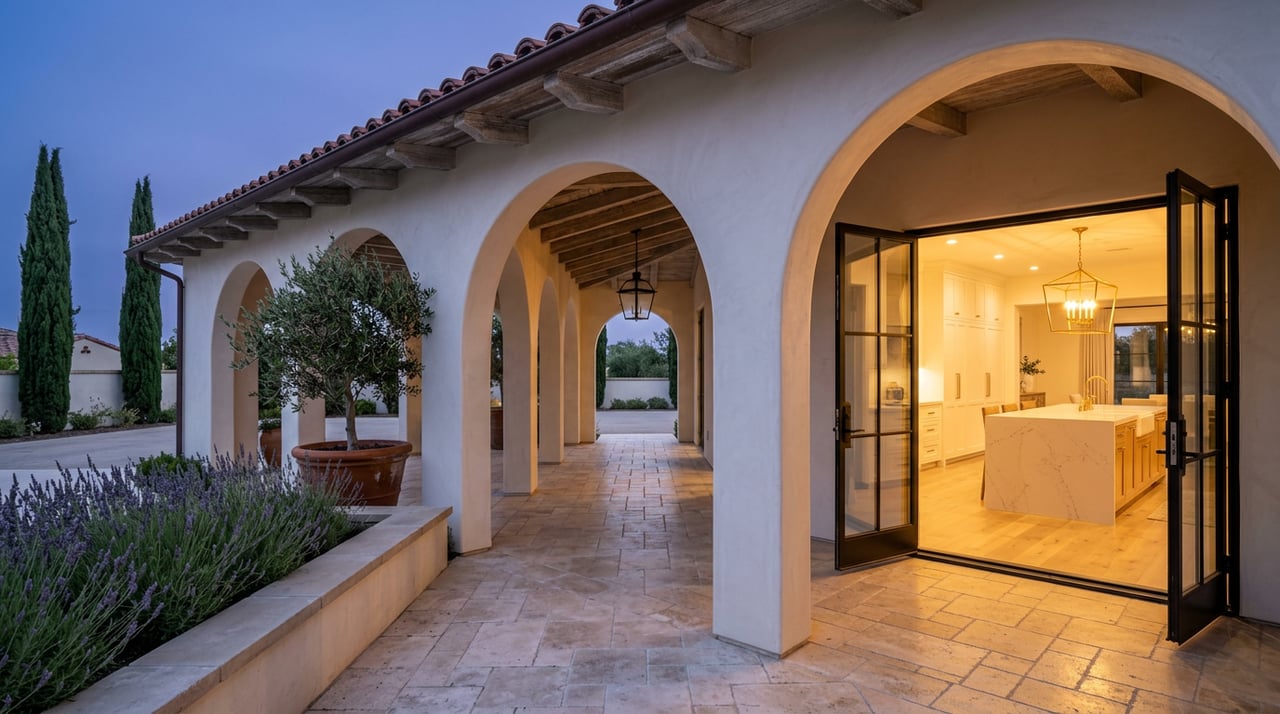
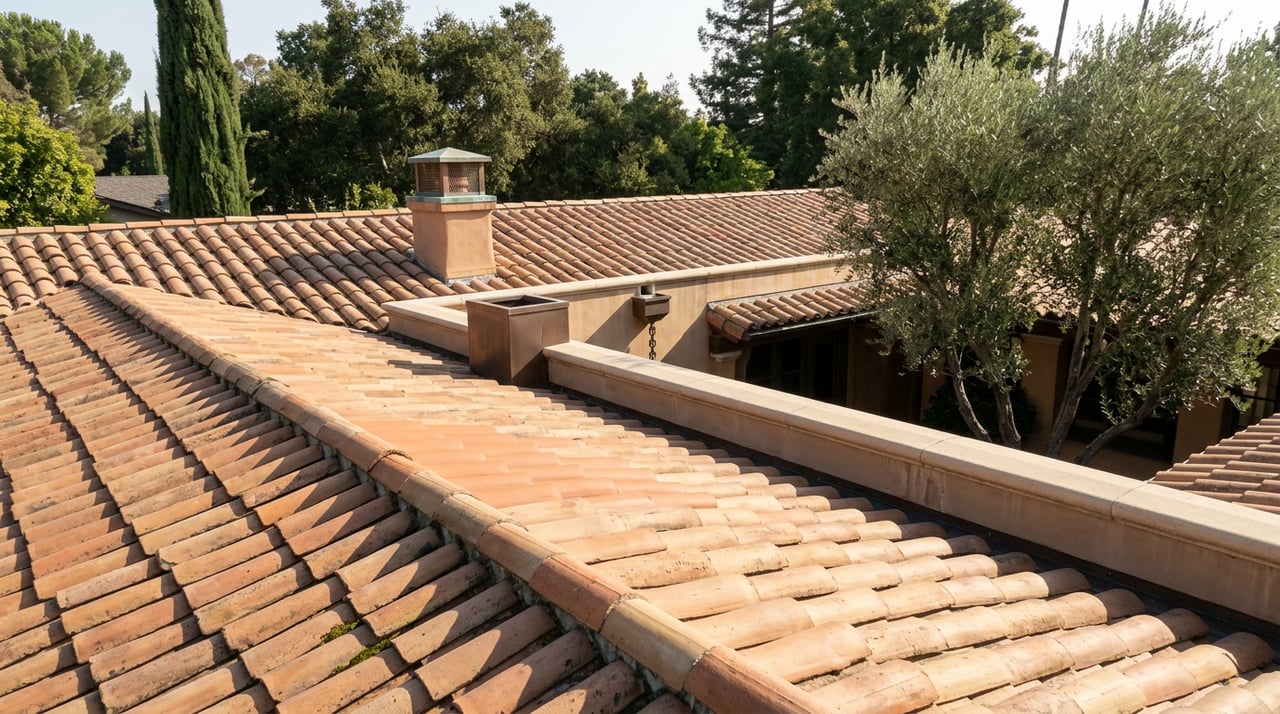
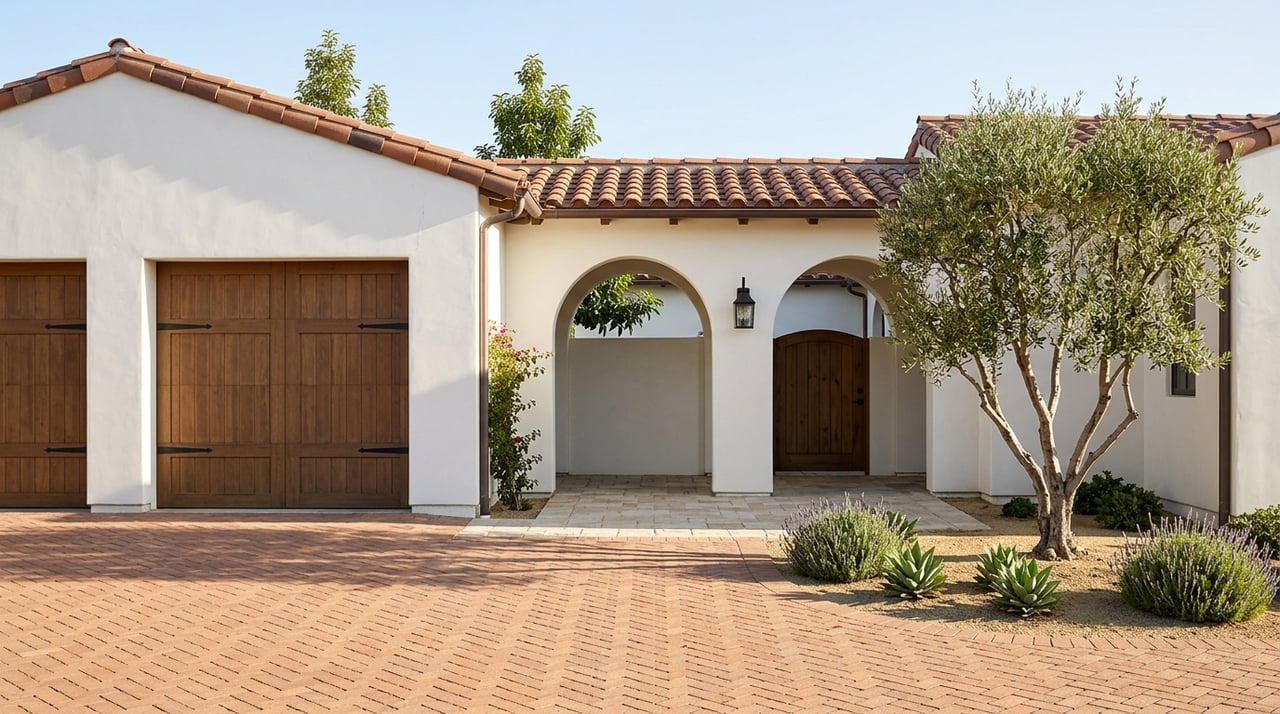
For many buyers, that setting is the main draw. Instead of a more conventional suburban pattern, Fallbrook tends to offer a mix that can include detached homes, larger lots, and residential areas with a more open feel. If your goal is to come home to a quieter setting while staying connected to Temecula or Murrieta, Fallbrook stands out.
Commute Times From Fallbrook
The first question most buyers ask is simple: how long is the drive really? The answer depends on where you start in Fallbrook, where you are headed, and what traffic looks like that day. Still, current route estimates give you a practical baseline.
Fallbrook to Temecula
Temecula is the shorter and more predictable commute for most drivers. Current route estimates place Fallbrook to Temecula at about 14 miles and roughly 18 to 20 minutes under noncongested conditions, according to Rome2Rio route estimates.
If you work in Temecula and want more land or a different pace at home, that drive can feel very reasonable. It is close enough to keep you tied into the Temecula area while giving you a noticeably different home environment.
Fallbrook to Murrieta
Murrieta is still workable for many commuters, but the drive is a little less predictable. Current estimates range from about 16 to 21 miles and around 25 to 35 minutes, based on Travelmath driving estimates.
That range matters because it shows how much your exact route and timing can affect the commute. If you work in Murrieta, Fallbrook can still make sense, but you will want to think more carefully about your daily schedule and how traffic may shape your routine.
Main Routes and Commuter Support
For many drivers, the main commuter spine is SR-76 to I-15. This corridor is especially important for anyone traveling north toward Temecula or Murrieta on a regular basis. Caltrans also has an active SR-76/I-15 interchange project near Bonsall and Fallbrook, which is worth watching if you want to stay informed about regional transportation improvements.
If you prefer a structured commute routine, there is also a practical support point nearby. The Caltrans park-and-ride inventory lists the Pala Road/Old US 395 park-and-ride lot at the SR-76/I-15 interchange with 223 spaces, which can be helpful for carpooling and planning a more consistent commute.
Back-Road Option to Know
In the same corridor, official Caltrans detour guidance references Old Highway 395 as a connector between SR-76 and northbound I-15. That does not mean it will be the best route every day, but it is a useful road to know if you want another option in the area.
What Living in Fallbrook Feels Like
The commute is only part of the decision. The bigger question is what your day-to-day life looks like once you get home.
Fallbrook has a housing profile that leans toward stability and ownership. According to the U.S. Census QuickFacts for Fallbrook, the owner-occupied rate is 58.5%, the median owner-occupied home value is $784,100, the average household size is 3.26, and 90.2% of residents lived in the same house one year earlier.
Those numbers suggest a community where many residents are putting down roots. For buyers, that can translate into a market where long-term lifestyle fit matters just as much as commute convenience.
More Space and a Rural Setting
San Diego County’s land-use framework is a key reason Fallbrook feels different from nearby suburban cities. The county describes semi-rural residential densities ranging from 1 dwelling unit per 0.5 acre to 1 per 10 gross acres in applicable areas, which supports the area’s more open development pattern. You can review those details in the county land use document.
In practical terms, buyers often look to Fallbrook when they want features that can be harder to find in more built-out neighborhoods. That might include a larger lot, more privacy, room for outdoor living, or a property with a stronger connection to the area’s agricultural and open-space character.
Fallbrook vs. Temecula and Murrieta
If you are deciding where to live, it helps to compare the overall lifestyle, not just the mileage on a map. Fallbrook, Temecula, and Murrieta each offer something different.
Temecula Offers Suburban Convenience
Temecula presents a more conventional suburban profile. The city highlights residential communities, shopping and dining, parks and trails, and Old Town through its economic development resources. City planning data also notes that 78% of housing units are 1-unit detached structures, 84% of the housing stock is single-family, and 93% of owner-occupied homes have three or more bedrooms.
For buyers, that often means a familiar suburban layout with established neighborhoods and easy access to city amenities. If that is your top priority, Temecula may feel more straightforward. If you want more separation between homes and a more rural backdrop, Fallbrook may be more appealing.
Murrieta Balances Housing and Recreation
Murrieta has a similar suburban feel, with strong emphasis on parks, recreation, and community events. According to the city’s community profile, 73.9% of housing units are single-family detached, 76.6% of occupied units are single-family detached, and 61.8% of households are married-couple families.
That profile points to a city with a more standard suburban pattern and a strong residential base. For commuters, Murrieta can be a good workplace destination or home base, but it does not offer the same rural and semi-rural housing character that draws many buyers to Fallbrook.
Who Should Consider Fallbrook
Fallbrook may be a smart fit if you want to stay connected to the Temecula Valley area while changing the way home feels. It can be especially worth a closer look if you are searching for:
- A manageable commute to Temecula
- A workable commute to Murrieta with some flexibility in timing
- More lot space or privacy
- A home setting shaped by open space and agricultural land uses
- A lifestyle that feels less dense than a typical suburban neighborhood
If your top priority is being close to shopping, city amenities, and a standard suburban street pattern, Temecula or Murrieta may still be the better match. But if you want a different balance between regional access and everyday space, Fallbrook deserves a spot on your list.
How to Evaluate the Move
Before you make a decision, it helps to test the commute and the lifestyle together. A home that looks perfect online may feel very different once you drive the route at your normal work hours.
Here are a few smart steps to take:
- Drive from Fallbrook to your workplace during your usual morning and evening commute times
- Explore the SR-76 and I-15 connection points in person
- Check whether the park-and-ride option fits your routine
- Compare how much space and privacy you can get in Fallbrook versus Temecula or Murrieta
- Think about whether you want a more rural setting or a more conventional suburban environment
That kind of side-by-side comparison can quickly clarify what matters most to you.
If you are weighing Fallbrook against Temecula or Murrieta, local guidance can make the search much easier. Meeker Realty Group helps buyers and sellers navigate Temecula Valley and surrounding North County communities with clear advice, local insight, and a hands-on approach tailored to your goals.
FAQs
Is Fallbrook a reasonable commute to Temecula?
- Yes. Current route estimates place Fallbrook to Temecula at about 14 miles and roughly 18 to 20 minutes under noncongested conditions.
Is Fallbrook too far from Murrieta for daily commuting?
- Not necessarily. Current estimates range from about 16 to 21 miles and about 25 to 35 minutes, so the drive is workable for many people but more sensitive to traffic and route choice.
What roads do Fallbrook commuters commonly use for Temecula and Murrieta?
- Many commuters use SR-76 to I-15 as the main route, with Old Highway 395 also referenced by Caltrans in the same corridor.
Does Fallbrook offer commuter support like park-and-ride access?
- Yes. Caltrans lists the Pala Road/Old US 395 park-and-ride lot at the SR-76/I-15 interchange, and it has 223 spaces.
How is Fallbrook different from Temecula and Murrieta as a place to live?
- Fallbrook is generally associated with a more rural and semi-rural setting, with village centers, agricultural land, and open space, while Temecula and Murrieta present more conventional suburban housing and amenity patterns.