Wondering how to get a Bonsall equestrian property ready to sell without wasting time or money on the wrong updates? You are not selling a typical house, and buyers in Bonsall often look at the full property package, including horse setup, land use, access, and maintenance. If you want to make a strong first impression and avoid surprises during escrow, it helps to focus on the items that matter most in this rural market. Let’s dive in.
Understand how Bonsall buyers evaluate horse property
Bonsall is an unincorporated San Diego County community known for low-density estate residential uses, agricultural land uses, and equestrian facilities. That rural character shapes how buyers view a property from the moment they arrive. In many cases, they are judging whether the property functions well as a horse property, not just whether the home shows nicely.
That means usefulness often matters more than cosmetic perfection. Clean barn space, visible access, usable turnout areas, and well-maintained fencing can do more to support value than expensive upgrades that do not improve day-to-day function. In a market like Bonsall, a practical presentation tends to be more persuasive.
Start with the horse infrastructure
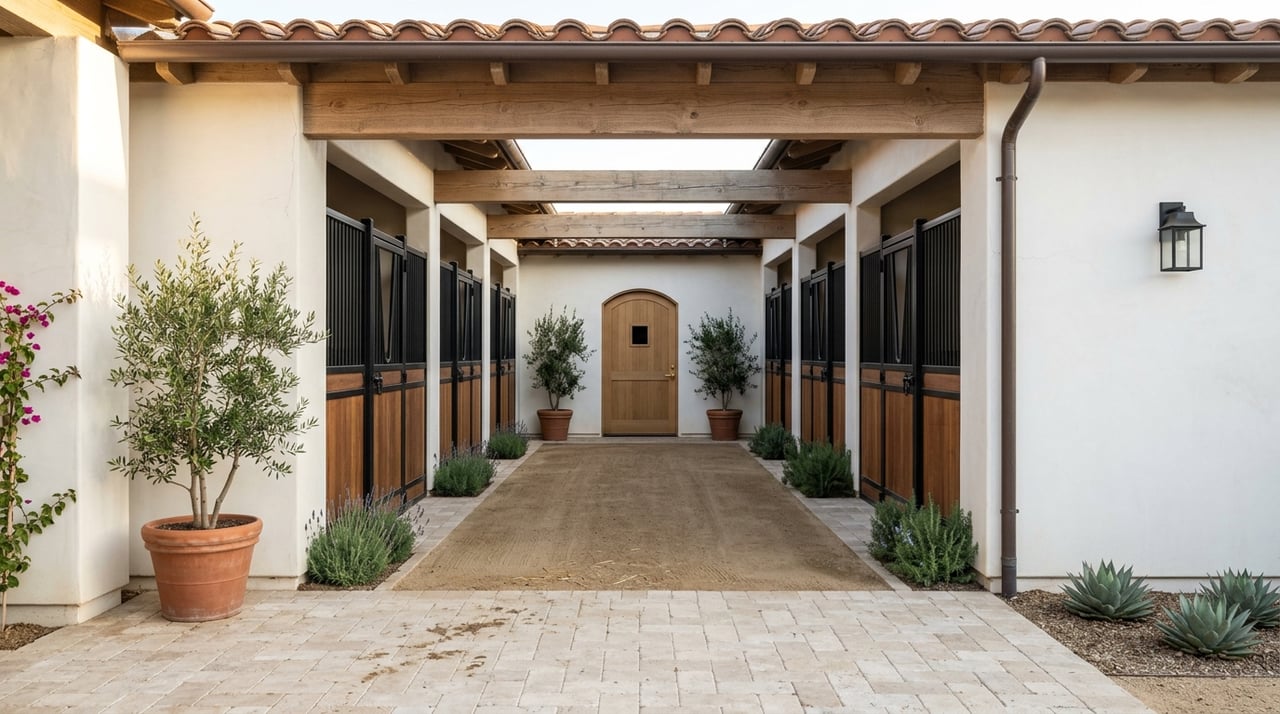
Your barn, paddocks, corrals, and related spaces should feel safe, organized, and easy to understand. Buyers notice deferred maintenance quickly, especially when they are trying to estimate future repair costs. If a horse setup looks complicated or neglected, they may assume the whole property will be harder to own.
Clean barns and storage areas
Begin by clearing out clutter in barns, tack rooms, feed rooms, and storage areas. Sweep floors, improve lighting where needed, and repair damaged doors or broken latches. A clean, bright space helps buyers picture how they would actually use the property.
If you have extra equipment, stack and store it neatly so the area reads as spacious and functional. This is especially important in utility spaces, where buyers tend to focus on upkeep rather than décor. The goal is to show that the property has been cared for.
Repair fencing and turnout areas
Corrals, paddocks, arenas, and fencing should look usable, not just present. Replace unsafe boards, secure loose wire, and address leaning or sinking posts before you list. Buyers may mentally subtract repair costs if they see obvious issues right away.
Access points also matter. If gates are hard to open, pathways are muddy, or the layout feels awkward, the property may seem less efficient than it really is. Small repairs can make the entire setup feel more workable.
Improve arena and footing conditions
If your property includes an arena or training space, present it in a way that lets buyers assess it clearly. Level obvious problem spots, remove weeds, and tidy the perimeter. Even if the setup is modest, a clean and maintained presentation builds confidence.
Be careful not to overstate features. If the footing, dimensions, or use history are important selling points, make sure your claims are accurate and supported by your records and property information.
Address manure and drainage early
On equestrian property, manure management and drainage are not side issues. They are part of basic property function and can affect how well the property shows. San Diego County says manure should be stored away from drainage sites and covered or bermed to help prevent runoff, and pollution from horse or livestock activity is not allowed to leave the property and enter streets or storm drains.
Before listing, make sure manure storage is tidy, placed appropriately, and not visually distracting. Also look for drainage trouble spots around paddocks, wash racks, access roads, and barn areas. Standing water, runoff patterns, or muddy low areas can raise red flags during showings.
Make wildfire readiness part of staging
In rural Bonsall, wildfire readiness is both a safety concern and a presentation issue. San Diego County fire guidance says defensible space is essential and calls for clearing combustible vegetation within 100 feet of structures, subject to local fire-protection requirements. A clean perimeter can make a property feel more open, cared for, and easier to maintain.
Focus on brush clearance and access
Trim back overgrowth, limb up trees where appropriate, and remove dead vegetation near structures. Clear driveways and access routes so the property is easy to enter and navigate. Buyers often notice whether a rural property feels manageable, and brush clearance helps support that impression.
Improve the overall perimeter view
You do not need to create a manicured look that feels out of place for Bonsall. Instead, aim for a property that feels safe, functional, and well maintained. Clean edges, visible fencing lines, and open sightlines can make acreage feel more usable.
Verify zoning and horse use before you market
One of the biggest mistakes sellers make with equestrian property is marketing first and verifying later. In unincorporated Bonsall, county zoning rules apply, and San Diego County provides APN-based zoning and property summary tools that can help confirm zoning, setbacks, and animal designators. This step matters because buyers of specialized property often ask detailed use questions early.
Private horsekeeping is generally allowed on most county properties without a permit, but a commercial horse stable is a separate use with its own permit structure based on intensity. If your property has ever been used for boarding, lessons, training, or another business-related equine use, make sure you clearly understand how that use is classified before the listing goes live.
Be precise about private vs. commercial use
Do not blur the line between private horsekeeping and commercial operation. If the property is set up for personal use, market it that way. If there is a permitted commercial stable use, be ready to document it clearly.
This kind of accuracy builds trust and helps avoid confusion during buyer due diligence. It also keeps your marketing focused on verified facts rather than assumptions.
Gather permits and property records
If your property includes a barn, arena, grading work, or other site improvements, permit history can become a major part of the sale. County guidance notes that horse stable installation may require building and grading permits, and grading rules affect drainage, erosion prevention, setbacks, and related site work. Buyers will often want to know what was built, when it was added, and whether it was properly documented.
Start gathering records before your home hits the market. That way, you are not scrambling to answer common questions after showings begin.
Helpful records to collect
- Barn and outbuilding permits
- Arena or grading documentation
- Septic records by APN
- Well records and recent test results
- Surveys or site plans, if available
- Utility and maintenance information for rural systems
Having organized records can make your property feel more transparent and easier to evaluate. On a rural sale, that confidence can matter as much as the photos.
Prepare well and septic information
Wells and septic systems are major due-diligence items in Bonsall. San Diego County notes that water wells are often the only potable water source in rural areas, and well installation or modification requires a permit. Septic systems are also maintained through county records, with sizing tied to percolation data and bedroom count.
If your property uses a private well, recent water information can be very helpful. County guidance says potable supply is required before occupancy or change of use, and bacteria and nitrate testing is required in some county permitting contexts, with sampling done by a qualified individual rather than the homeowner.
Questions buyers often ask
- Is there a recent well-water test?
- Are septic records available?
- Were any well or septic changes permitted?
- Are there known issues with water supply or system capacity?
When you have clear answers ready, you reduce uncertainty and help the transaction move more smoothly.
Handle disclosures before they become problems
California disclosure requirements go beyond basic staging. Sellers must disclose physical condition issues and potential hazards or defects, and agents are expected to visually inspect the property and disclose readily observable defects. For equestrian properties, obvious concerns in barns, fencing, drainage, outbuildings, and access should be addressed early.
Natural hazard disclosures may also apply, and California law requires an additional fire-related notice in certain situations involving homes in high or very high fire hazard severity zones that were built before January 1, 2010. Rural properties may also trigger farmland-related notice requirements if they are within one mile of farmland or grazing land shown on the state’s Important Farmland Map.
Why early disclosure matters
A buyer who discovers issues late may renegotiate or walk away. A seller who prepares early can fix some concerns, document others, and price or market the property more effectively. On a specialized property, credibility is part of the sales strategy.
Use feature-based marketing language
When it is time to market the property, stick to clear, factual, feature-based language. Fair housing guidance supports describing the property and its amenities rather than describing the type of buyer. For a Bonsall equestrian listing, that means focusing on verified features such as usable acreage, trailer access, barn layout, turnout areas, tack storage, water source, outbuildings, and site access.
Avoid claims you cannot support. Do not advertise ride-out access, horse capacity, turnkey condition, or commercial potential unless zoning, permits, title, or other documentation confirms those points. Accurate marketing protects your credibility and helps attract serious buyers.
Focus your prep where it counts
If you are deciding where to spend time and money, keep your priorities simple. In Bonsall, buyers of equestrian property often respond best to a home and land package that feels functional, safe, and well documented. You do not need every improvement to be flashy. You need the property to make sense.
A thoughtful pre-listing plan can help you present the acreage more clearly, reduce buyer objections, and support a smoother sale. If you want guidance on how to position a specialized property in today’s market, Meeker Realty Group can help you create a smart, seller-focused plan.
FAQs
What matters most when selling a Bonsall equestrian property?
- The biggest priorities are usually functional horse infrastructure, safe fencing, clean barn areas, visible maintenance, organized records, and accurate marketing based on verified property features.
What should you repair before listing a Bonsall horse property?
- Focus first on broken latches, damaged doors, unsafe fencing, loose wire, sinking posts, muddy access points, poor lighting, drainage issues, and clutter in barns, tack rooms, and storage areas.
What zoning questions come up with Bonsall equestrian property sales?
- Buyers often ask whether the horse use is private horsekeeping or a commercial stable use, and whether zoning, setbacks, and animal-related designators support how the property is being marketed.
What records should you gather for a Bonsall rural property sale?
- Try to collect permits for barns and site work, arena or grading documentation, septic records, well information, recent water testing, and any available site plans or utility details.
Why do well and septic details matter on a Bonsall property?
- Because many rural properties rely on private systems, buyers often want to review water source information, test results, septic records, and any known maintenance or permitting history before moving forward.
How should you describe a Bonsall equestrian property in marketing?
- Use neutral, factual language that highlights verified physical features such as acreage, horse facilities, access, storage, water source, and outbuildings, while avoiding unsupported claims about use or capacity.