Wondering what daily life feels like when your home sits above the center of Fallbrook? If you are drawn to views, open space, and a quieter setting, hillside living can be very appealing. It also comes with practical tradeoffs that matter just as much as the scenery. This guide will help you understand how Fallbrook’s terrain shapes everyday routines, property use, and what to expect before you buy. Let’s dive in.
Why Fallbrook Hillside Living Feels Different
Fallbrook is not laid out like a typical flat suburban community. San Diego County describes it as a largely rolling-hill area with avocado and citrus orchards, while the eastern portion includes steeper slopes near Interstate 15. That means the land itself often has a bigger impact on your daily experience than a standard neighborhood street grid.
If you live above town, you may notice that your home feels a little more rural and spread out. In many cases, the hillside setting brings a stronger sense of privacy and more connection to the natural landscape. At the same time, errands and day-to-day travel usually involve more driving than they would in the town center.
Views, Land, and Open-Space Appeal
One of the biggest reasons buyers look at hillside homes in Fallbrook is the setting. Rolling terrain, orchards, and higher-elevation parcels can create broad outlooks and a sense of separation from busier areas. For many buyers, that is the heart of the lifestyle.
County design guidance also reinforces how important the landscape is here. New development is encouraged to preserve natural landforms, scenic resources, mature vegetation, drainage courses, and rock outcroppings when possible. Ridge-line building is strongly discouraged, which reflects how closely hillside living is tied to the character of the land itself.
How Topography Shapes Your Home Search
In hillside areas, no two parcels feel exactly alike. Fallbrook spans rolling to very steep hills and includes elevations from roughly 200 to 3,000 feet, with some south-facing slopes reaching 3,500 feet. Because of that range, one property may feel different from another in terms of sun exposure, wind, and overall site use.
This does not mean every hillside home will have the same pros and cons. Instead, it means your home search should focus on the specifics of each parcel. Slope, access, drainage patterns, and usable outdoor space can matter just as much as square footage inside the home.
Parcel Differences Matter
A home tucked into a gentler hillside may offer easier access and more usable yard space. A steeper site may offer a stronger view orientation or a more elevated feel. In Fallbrook, those differences can shape everything from parking to landscaping plans.
That is why hillside shopping often requires a more careful, property-by-property approach. What looks similar online may feel very different once you are on site. Walking the lot and understanding how the land functions can be just as important as touring the house itself.
Climate and Microclimate in the Hills
Fallbrook’s climate is one reason many buyers enjoy living here. NOAA normals for the Fallbrook 5 NE station at 1,140 feet show an average annual temperature of 65.1°F and annual precipitation of 15.31 inches. Rainfall is strongly seasonal, with wetter conditions in December through February and very dry conditions from June through September.
For hillside homeowners, local variation can matter. Because the community covers a wide range of elevations and slope exposures, some parcels may feel a bit warmer, windier, or more frost-prone than others. That variation is tied to terrain and elevation, so it is smart to pay attention to how a property feels during different times of day.
What This Can Mean Day to Day
You might find that morning and evening conditions differ more than expected from one part of Fallbrook to another. Sun exposure on a south-facing slope can shape outdoor comfort, plant choices, and how often you use patios or terraces. Even if two homes are close on a map, the hillside setting can create a noticeably different everyday rhythm.
For buyers relocating from flatter suburban areas, this is an important adjustment. The climate is still part of broader Fallbrook, but the parcel itself can influence how your outdoor spaces live and function.
Gardening and Outdoor Living Potential
If you picture a home with orchard-style planting or drought-tolerant landscaping, hillside Fallbrook may fit that vision well. The USDA description for the Fallbrook soil series notes a dry subhumid climate, warm dry summers, cool moist winters, and a frost-free season of 250 to 320 days. The soils are described as deep and well drained, which can support planting with the right planning.
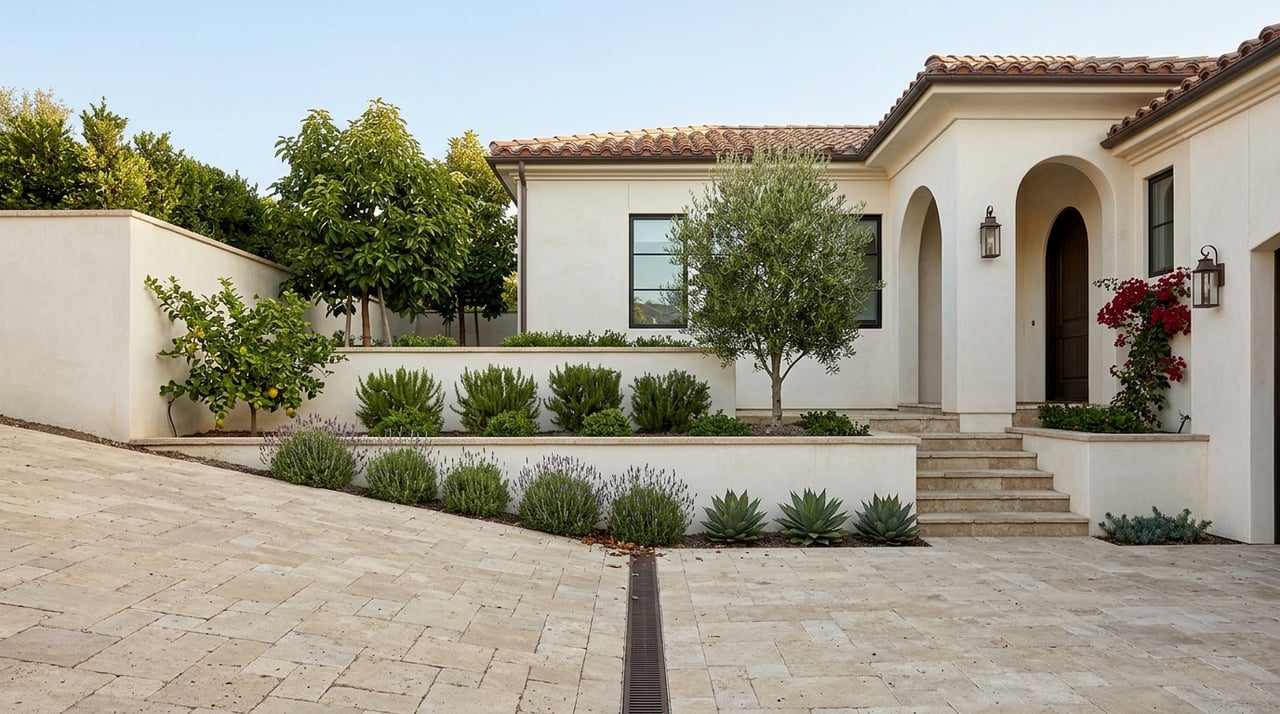
The key word is planning. Annual rainfall is limited, so irrigation, mulch, and erosion control all matter. On sloped sites, successful landscaping is often less about doing more and more about choosing the right plants and managing water carefully.
Outdoor Spaces Work Best With a Plan
Hillside landscaping often needs to balance appearance with function. Retaining the natural feel of the site while controlling drainage and protecting soil can be part of the long-term maintenance picture. If outdoor living is high on your list, think beyond the view and consider how the land will support patios, planting areas, and access paths.
For many buyers, that extra thought is worth it. A well-planned hillside property can offer outdoor spaces that feel private, peaceful, and strongly connected to the surrounding landscape.
Driving, Errands, and Getting Around
Hillside living in Fallbrook usually comes with a more car-dependent routine. State Route 76 is the main east-west corridor for this part of inland North County, linking Interstate 5 to Interstate 15 and serving communities including Fallbrook. The county also notes that the town center sits near the western boundary, while the eastern portion is shaped by steep slopes and I-15.
In practical terms, that often means you trade quick walkability for space and scenery. If you live above town, daily errands may take a little more planning. The payoff for many buyers is the quieter setting and more open feel once you get home.
Hillside vs. In-Town Living
This is one of the clearest lifestyle splits in Fallbrook. Hillside areas often reward buyers who want views, land, and a more rural atmosphere. In-town areas usually work better for buyers who want simpler access to services and a more compact daily routine.
That contrast may become even more noticeable over time. San Diego County’s Fallbrook Sub-Area Plan, adopted in December 2024, aims to revitalize and beautify downtown while improving pedestrian access and mobility. So while the core is being shaped around a more walkable village-style experience, the hills remain a different kind of lifestyle choice.
The Tradeoffs Buyers Should Expect
Hillside living is not better or worse than living closer to town. It is simply a different experience with different priorities. The same terrain that creates privacy and scenic appeal can also create extra upkeep and more property-specific questions.
For many buyers, the biggest adjustments include:
- Steeper driveways
- More site-specific drainage concerns
- Greater vegetation maintenance
- More planning around access and outdoor use
- A stronger focus on wildfire readiness
These are not reasons to avoid hillside property. They are reasons to evaluate each home carefully and make sure the lifestyle fits how you want to live.
Wildfire Readiness Matters
In hillside areas, wildfire preparedness should be part of your decision-making. CAL FIRE says fire hazard zones are based on fuels, terrain, weather, and other factors. It also emphasizes defensible space and home hardening as key mitigation steps.
For buyers, this means wildfire readiness is not just a seasonal topic. It is part of everyday ownership planning. If you are considering a hillside home, it makes sense to think about vegetation management, access around the home, and the ongoing work needed to maintain the property responsibly.
Who Usually Loves Hillside Living
Hillside Fallbrook often appeals to buyers who want a home that feels a little removed from the pace of town. If you value scenery, land, and a quieter environment, the tradeoffs may feel well worth it. Many buyers are comfortable with a drive-oriented routine if it gives them more space and a stronger connection to the landscape.
On the other hand, if your top priority is easier access to shops, services, and a more walkable daily pattern, you may prefer a location closer to town. Neither choice is right for everyone. The best fit depends on how you want your everyday life to feel.
If you are weighing Fallbrook hillside living against in-town options, a local, property-by-property approach can make the difference. The right guidance can help you look past the view alone and focus on access, land use, and long-term fit. When you are ready to explore Fallbrook with a local perspective, connect with Meeker Realty Group.
FAQs
What is hillside living like in Fallbrook, CA?
- HIllside living in Fallbrook usually feels more rural and drive-oriented than living near town, with more emphasis on views, open land, privacy, and parcel-specific features.
How does Fallbrook’s terrain affect daily life?
- Fallbrook’s rolling and sometimes steep terrain can influence driving, access, drainage, landscaping, and how usable a property feels from one lot to the next.
Is gardening realistic on a Fallbrook hillside property?
- Yes, hillside gardening can be realistic, especially for drought-tolerant and orchard-style planting, but limited rainfall means irrigation, mulch, and erosion control are important.
Does one Fallbrook hillside parcel feel different from another?
- Yes, parcel conditions can vary because Fallbrook spans a wide range of elevations and slope exposures, which can affect sun, wind, and frost patterns.
Is living above town in Fallbrook remote?
- It usually feels more rural than living in the downtown area, but Fallbrook still has a defined town center and regional access through SR 76 and I-15.
What should buyers watch for with Fallbrook hillside homes?
- Buyers should pay close attention to driveway slope, drainage, vegetation maintenance, outdoor usability, and wildfire preparedness when comparing hillside properties.